Good fit
You have multiple old crowns, bridges, missing teeth or bite changes.
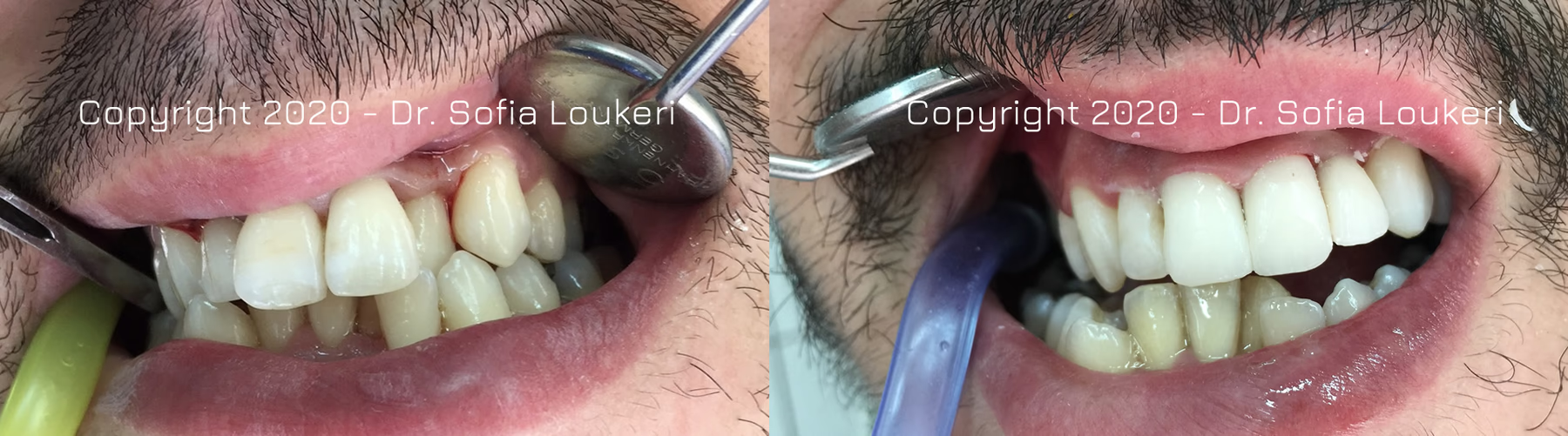
Complex restorative planning
Complex dental problems need sequencing, restraint and a clear view of what should happen first, second and later.
Who this helps
International patients often need more than a treatment name. They need to know what is safe, what can wait, what requires examination and what can realistically fit their travel schedule.
You have multiple old crowns, bridges, missing teeth or bite changes.
You are looking for a second opinion before a large treatment plan.
You want a phased plan that balances health, function, aesthetics and travel logistics.
Clinical focus
The clinic starts with diagnosis, biology, function and long-term stability. The goal is not to compress every decision into a travel package, but to choose the right sequence.
Visit planning
Send photos, existing X-rays and any previous treatment plan if available.
Share your travel window and whether future visits to Athens are possible.
Expect prioritisation rather than a rushed all-at-once answer.
Pre-arrival orientation
Upload a clear close-up photo and describe what has changed over time.
This is not a diagnosis and does not replace examination. It helps the clinic understand whether the next step should be an appointment, a request for better photos or a more urgent route.
Appointment request
Add your travel dates, main concern and whether you already have recent photos, X-rays or treatment notes. The request goes directly to the clinic admin.
Prefer to start with photos?Questions
It usually involves several teeth or treatment areas, often including old restorations, missing teeth, bite issues, gum health and aesthetic goals.
The clinic can often provide orientation after reviewing photos and records, but a reliable plan requires an in-person examination.
In many complex cases, phasing is the safest approach. Urgent stabilisation, periodontal control and definitive restorations may happen in separate stages.